I am currently developing Spellbound, a single-player platformer in
Unreal Engine 5. The game is planned to combine exploration,
environmental puzzles, and sword-and-magic combat.
I have so far implemented basic player movement, gameplay mechanics, and
the player interface. I am continuing to develop the game while building
my skills in C++, level design, and Unreal Engine.
June 2026 – Present
Personal Portfolio
HTMLCSSJavaScriptWeb Design
I designed and built this website to bring together my projects,
technical skills, education, and experience. I created a minimal dark
interface with consistent typography, spacing, and reusable card layouts
to keep the focus on my work.
I implemented category tabs and smooth transitions between the project
grid and individual project details using JavaScript. Each project
includes a summary of my contribution and links to relevant files or
source code. I continue to refine the design and add new work as I
develop my skills.
I created a visual analysis of book ratings, genres, publication years,
and reader engagement. I cleaned and filtered the dataset, prepared
variables for comparison, and built 24 visualizations using Matplotlib,
Seaborn, and Plotly. These include distribution plots, correlation
heatmaps, hexbin plots, bubble charts, and interactive 3D scatterplots.
I organized the analysis to move from data quality and overall
distributions to comparisons across genres and relationships between
book characteristics. I used logarithmic scales and density plots to
make skewed engagement data easier to interpret, and paired each figure
with an explanation of its meaning and limitations. The project
demonstrates how I select charts, communicate patterns, and distinguish
reader popularity from average ratings.
I developed a Random Forest classifier with 700 decision trees to
distinguish five cancer types using RNA-Seq gene expression data. I
examined the distribution of cancer types and built a preprocessing
pipeline with median imputation to handle missing values. I used a
stratified 80/20 train-test split to preserve class proportions when
training and evaluating the model.
The model correctly classified every sample in the held-out test set,
achieving 100% accuracy. I used precision, recall, and a confusion
matrix to evaluate the predictions across the five classes. I also
discussed why these results on a controlled dataset do not establish
clinical performance and why testing on more diverse data would be
necessary.
I developed a histogram-based gradient boosting regressor to predict
housing sale prices in Ames, Iowa, using property characteristics such
as living area, overall quality, age, and neighborhood. I explored 1,875
training records and built a preprocessing pipeline to handle missing
numeric and categorical values and encode categorical features.
On the test data, the model achieved a mean absolute percentage error of
8.54%, with 93.39% of predictions falling within 20% of the actual sale
price. I compared predicted and actual prices to examine errors and
discussed the limitations of applying a model trained on historical
sales from one city to other locations and market conditions.
I developed a histogram-based gradient boosting classifier to estimate
the probability of a batter swinging at a pitch, using Zac Gallen's 2023
MLB pitch data. I explored swing rates across pitch types and built a
preprocessing pipeline to encode categorical features alongside numeric
measurements such as pitch speed, movement, and location. I then applied
sigmoid calibration with five-fold cross-validation to improve the
model's probability estimates.
On the test data, the model achieved a Brier score of 0.1785 and an
expected calibration error of 0.0495. I used a calibration plot to
compare predicted probabilities with observed swing rates and examined
where the estimates differed. Since the data covers only one pitcher,
the results would need further evaluation before applying the model to
other pitchers.
I developed a Random Forest classifier with 200 decision trees to
identify fraudulent credit card transactions using transaction amounts
and anonymized features. I explored 54,276 training transactions,
compared transaction amounts across fraudulent and legitimate purchases,
and examined the class imbalance, with fraud representing only 0.58% of
the training data.
On 13,569 test transactions, the model achieved 98.48% precision, 82.28%
recall, and an F1 score of 0.8966 for fraud detection. I evaluated the
trade-off between false alarms and missed fraud, finding that
predictions of fraud were highly reliable, but approximately 18% of
fraudulent transactions went undetected.
I developed a K-Nearest Neighbors classifier to predict wine quality
using chemical measurements and wine color. I explored the relationship
between alcohol content and quality, then built a preprocessing pipeline
to handle missing values, standardize numeric features, and encode
categorical data.
On 1,040 test samples, the model achieved 61.54% exact-match accuracy
and a mean absolute error of 0.4327 quality points. I used a confusion
matrix and per-class metrics to examine errors, finding that the model
performed better on common quality levels and struggled with rare
ratings.
I built a K-Nearest Neighbors classifier to identify Kevin Gausman’s
pitch types using Statcast data. I explored pitch characteristics,
created a preprocessing pipeline for missing values, feature scaling,
and categorical encoding, and trained the model on 2024 pitches before
testing it on data from the first half of 2025.
The model achieved 98.34% test accuracy across 1,806 pitches. I also
examined precision and recall for each pitch type, identifying weaker
performance on the rare sinker class despite the high overall accuracy.
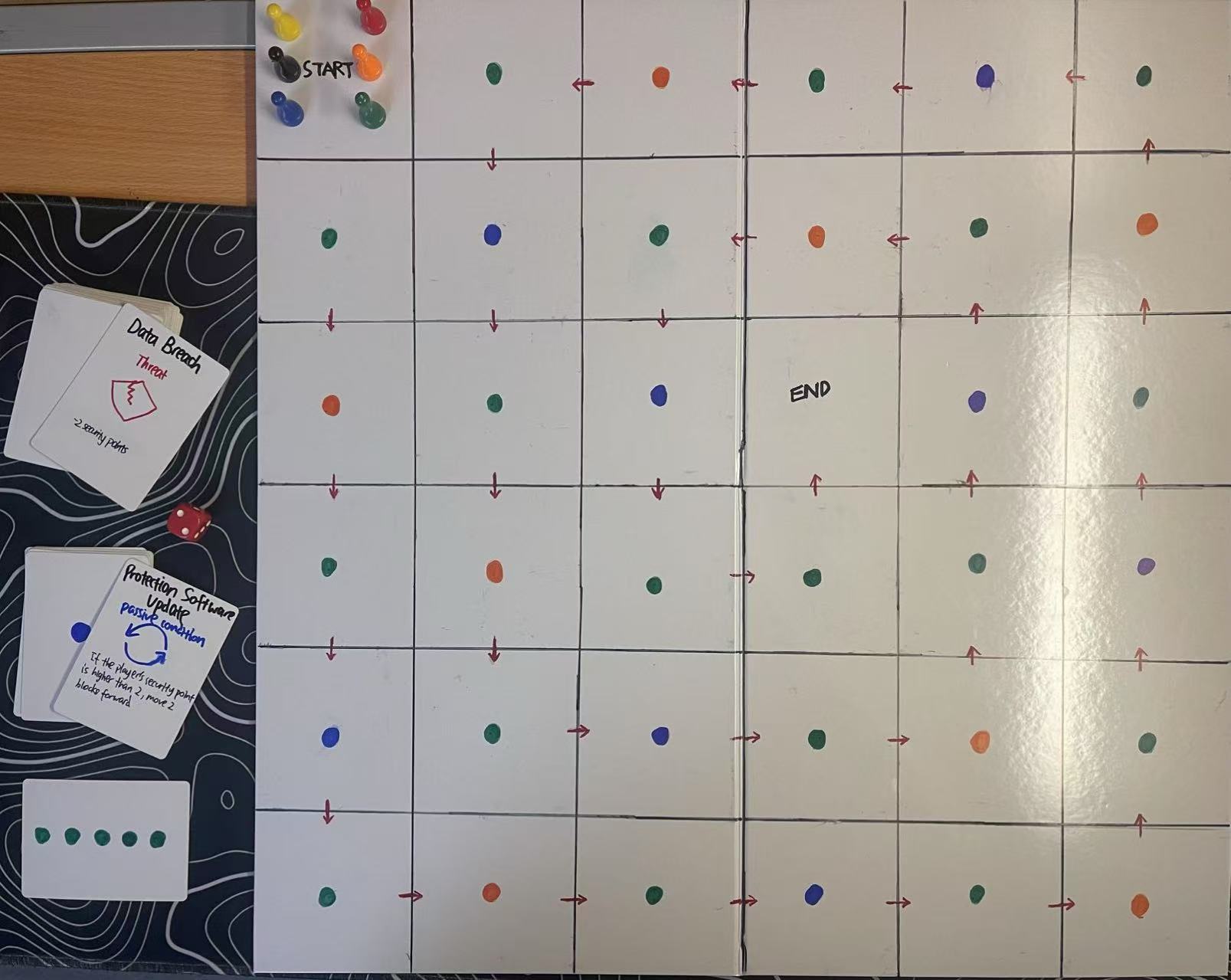
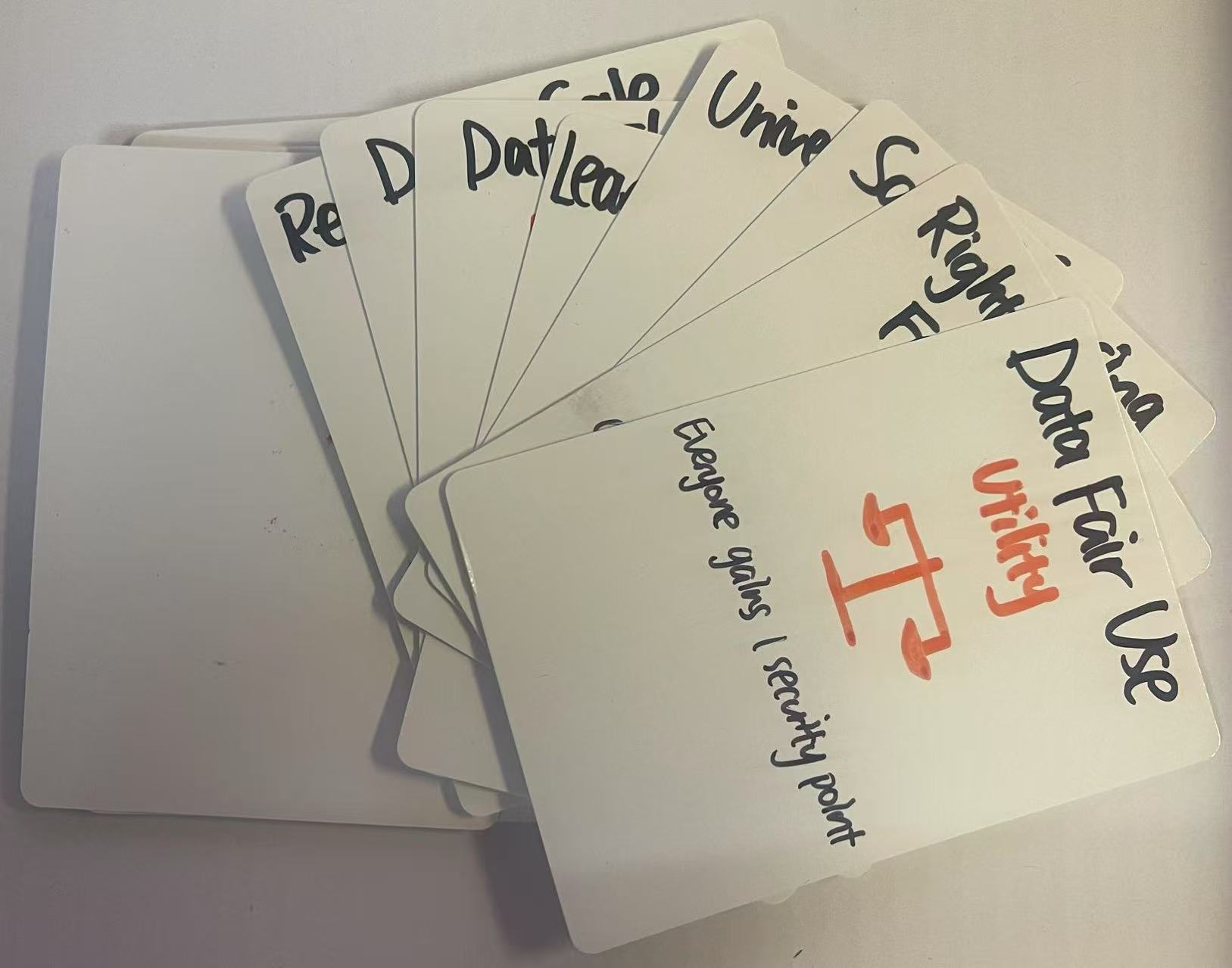
I designed and built Cyber Sprint, a competitive board game about
digital privacy and security. I developed the board layout, turn
structure, security point system, and card effects, then created a
physical prototype with handmade cards and trackers. I also wrote the
rules and documented the game’s components.
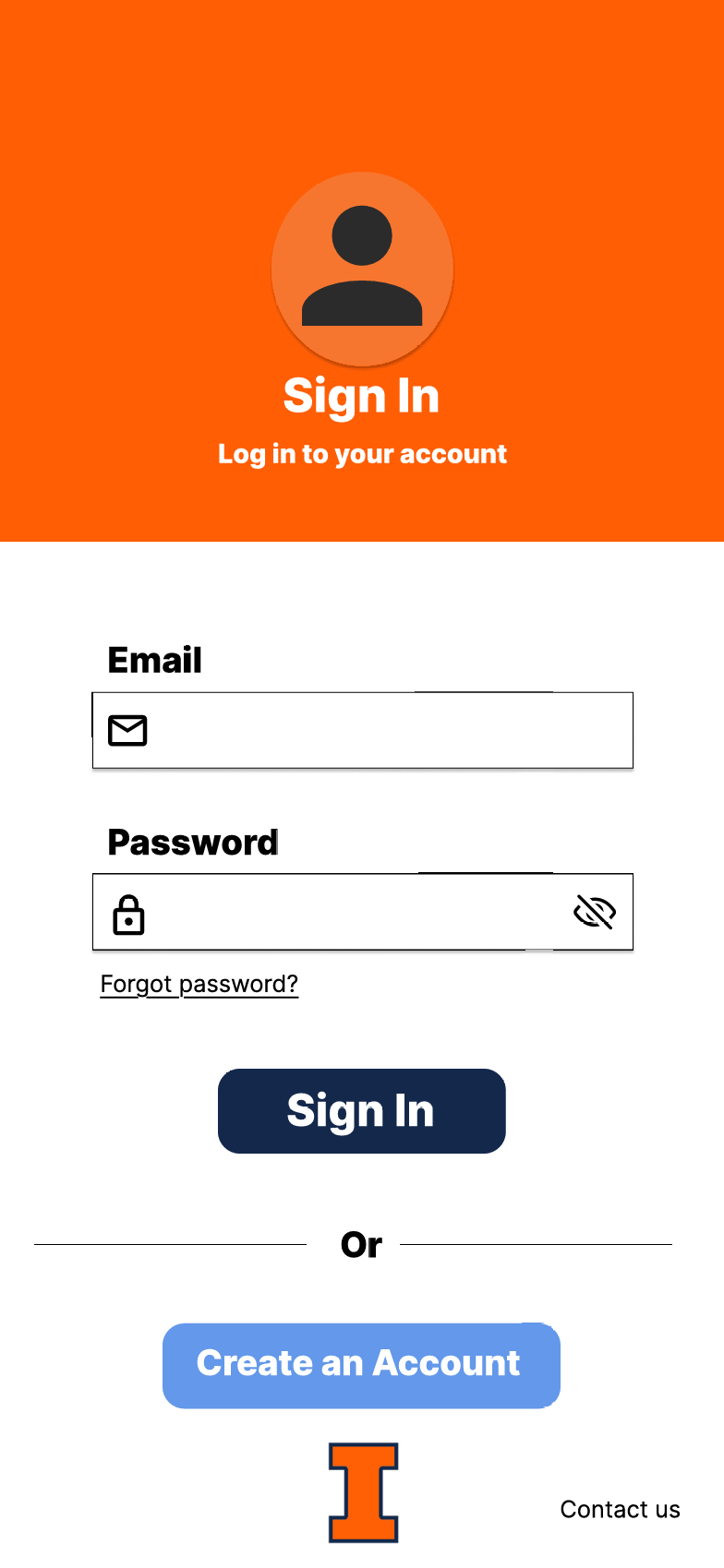
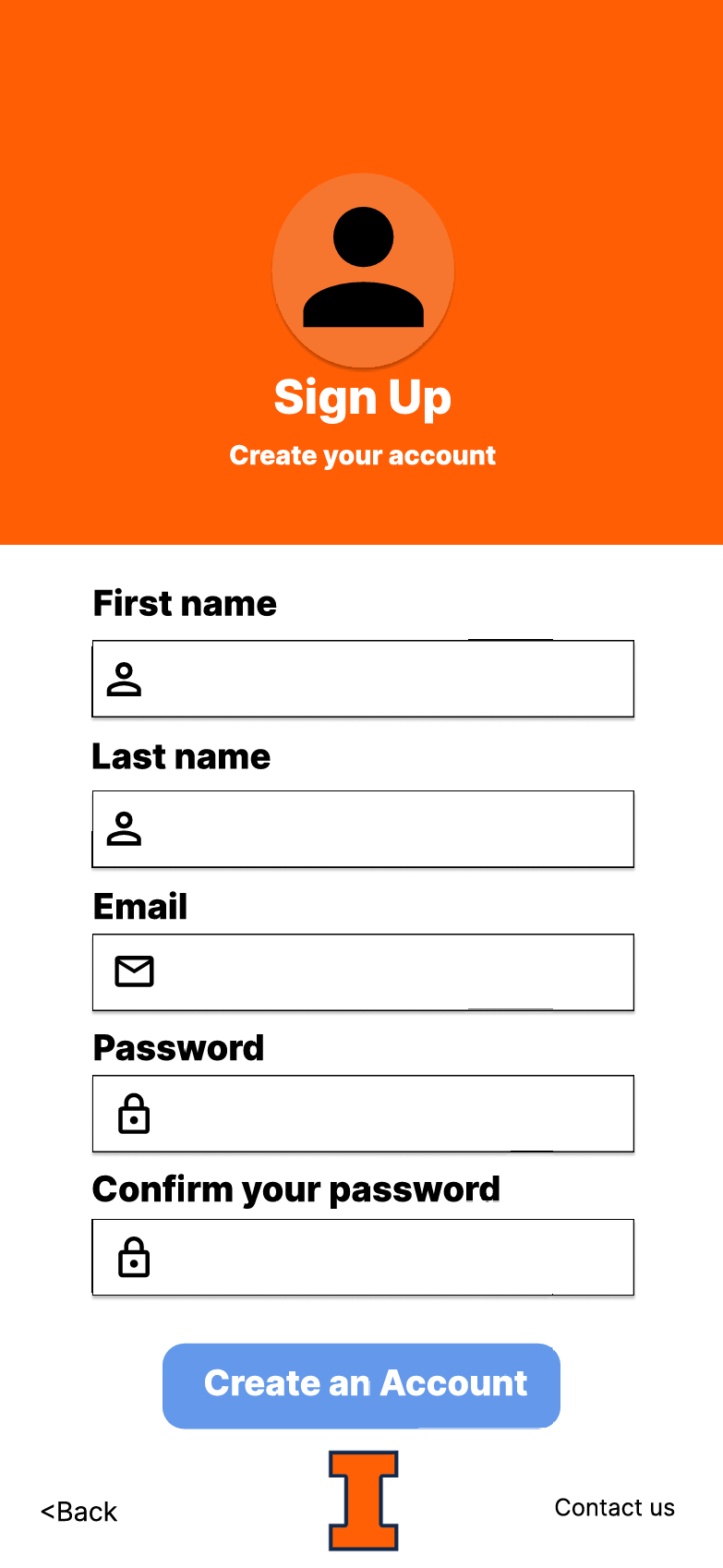
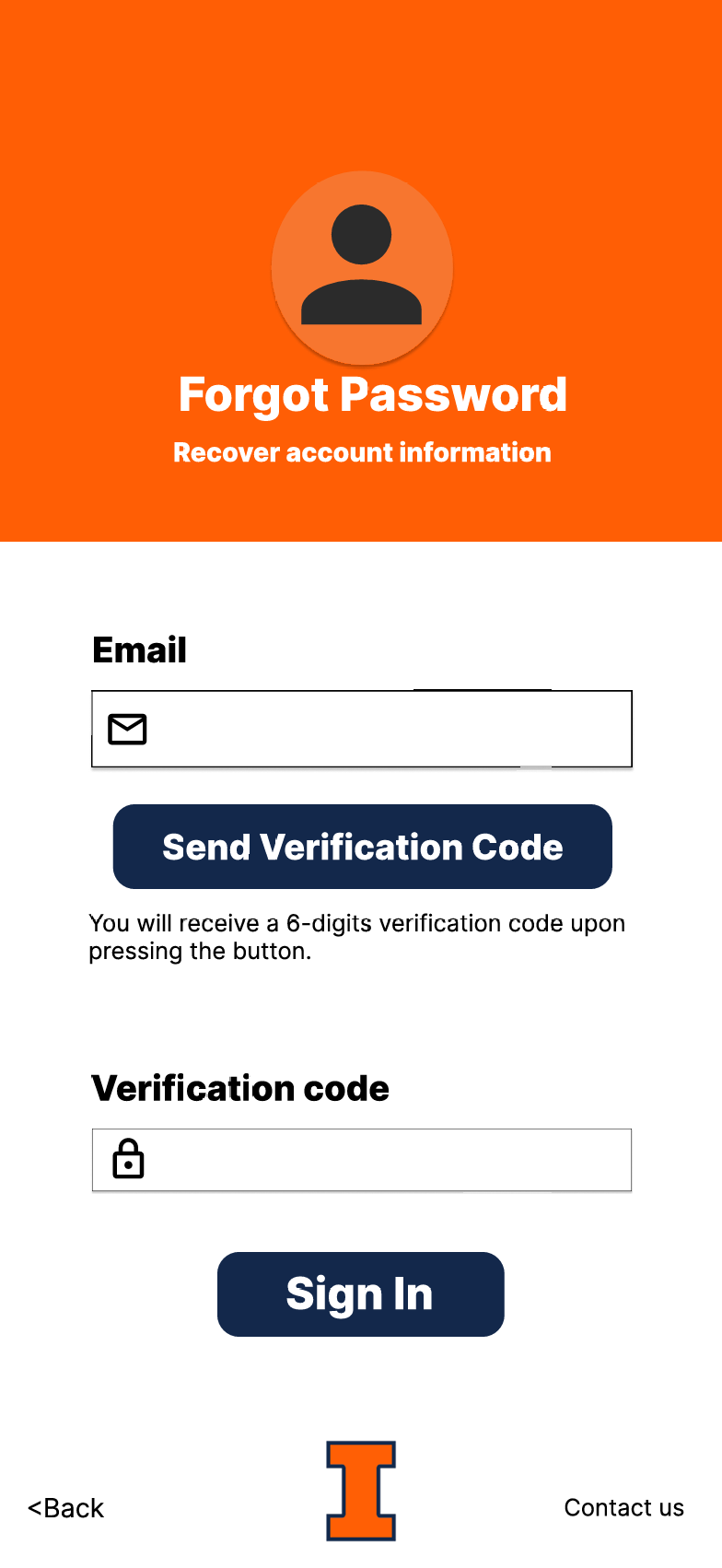
As part of a group project to design a university app, I created the
login and forgot-password screens in Figma. My work focused on the
interface layouts, form fields, and navigation for signing in and
recovering account access. The screens below show my design work within
the larger team project.